November 17, 2025
It sounds contradictory, but it’s true: in Canada, you can actually become a “first-time homebuyer” more than once.
Most people assume that title is reserved for those buying their very first property — but the Government of Canada’s definition goes much deeper. In fact, certain repeat buyers may once again qualify as first-time homebuyers under specific federal guidelines.
And this distinction can make a big difference: it can open the door to programs like 30-year insured mortgage amortizations, FHSA eligibility, and RRSP withdrawals under the Home Buyers’ Plan — even if you’ve owned a home before.
🇨🇦 Key Federal First-Time Homebuyer Programs
The following programs all rely on the same government definition of a first-time homebuyer.
30-Year Amortization for Insured Mortgages (2024 Federal Budget)
- Allows qualified first-time buyers to extend the amortization of their insured mortgage to 30 years instead of 25 (for purchases only, not refinances). However, 30-year amortizations have long been available to all borrowers for non-insured mortgages — those with a loan-to-value ratio below 80%.
First Home Savings Account (FHSA)
- Let’s eligible first-time buyers save up to $8,000 per year (lifetime maximum $40,000) tax-free for a home purchase.
- Contributions are tax-deductible, and withdrawals for a qualifying home are completely tax-free.
Home Buyers’ Plan (HBP)
- Allows withdrawals of up to $60,000 from an RRSP (recently increased) to buy or build a qualifying home.
- Funds are repaid over 15 years, with no tax withheld on withdrawal.
GST/HST New Housing Rebate
- Rebates a portion of GST/HST paid on new homes or major renovations — frequently paired with the other programs above.
Official Definition of a First-Time Homebuyer (Government of Canada)
To be considered a first-time homebuyer, you must meet one of the following criteria:
- You’ve never purchased a home before;
- You have not occupied a home as your principal residence that you (or your current spouse/common-law partner) owned in the past 4 years; or
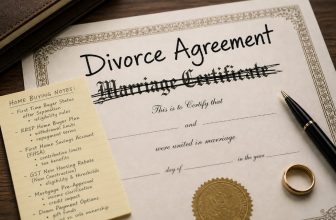
- You’ve recently experienced the breakdown of a marriage or common-law partnership, meaning you’ve lived separate and apart for at least 90 days prior to closing and haven’t occupied a new partner’s home.
Why This Definition Matters
Understanding this definition is more than semantics — it can reopen access to thousands of dollars in benefits and longer amortization terms.
For example:
- A homeowner who sold a property five years ago and has since rented could now requalify as a first-time homebuyer.
- Someone who owned a home jointly with a spouse, but later divorced and has been living separately for at least 90 days, also qualifies again.
These distinctions mean many Canadians who think they’ve “used up” their first-time buyer status actually haven’t — and may be eligible again under current federal rules.
In Summary
The federal government’s definition of a first-time homebuyer is far broader — and more forgiving — than most people realize.
It’s not just about buying your first home; it’s about meeting certain ownership and life circumstances that allow you to qualify again for valuable federal programs such as the FHSA, HBP, and the 30-year insured mortgage amortization.
In short, being a “first-time homebuyer” isn’t always a once-in-a-lifetime event — it’s an eligibility condition that can reset when your situation does.
Do you have a question about first-time homebuyer eligibility? Call, text, or email Marko right now to discuss in greater detail.
RECENT BLOG POSTS:
Vancouver Condo Market 2025: Is Now the Time to Buy? (Oct 26, 2025)
Applications and Implications of Making Changes to Your Land Title (Nov 3, 2025)
Call Marko Gelo at 604-800-9593 for his expert mortgage advice.
Download my amazing Mortgage App…it’s loaded with calculators and tons of useful information!
Don’t want to miss out on the next blog post? Click Here to have future issues emailed directly to your inbox!
CONNECT WITH MARKO:
604-800-9593 cell/text | 403-606-3751 cell/text | Schedule A Call | WhatsApp | Marko’s App | mortgages@markogelo.ca